Volleyball is a team sport, but a lot of the skills that win points are built alone: a reliable serve, clean hands on a set and a platform that sends the ball where you want. With the right setup, volleyball training net solo drills let you get hundreds of touches in a session without needing a full team or a gym booking. This guide covers the main types of training net, how to set them up and drills for serving, setting and passing.
Types of volleyball training net
There are a few kinds of equipment that help solo practice:
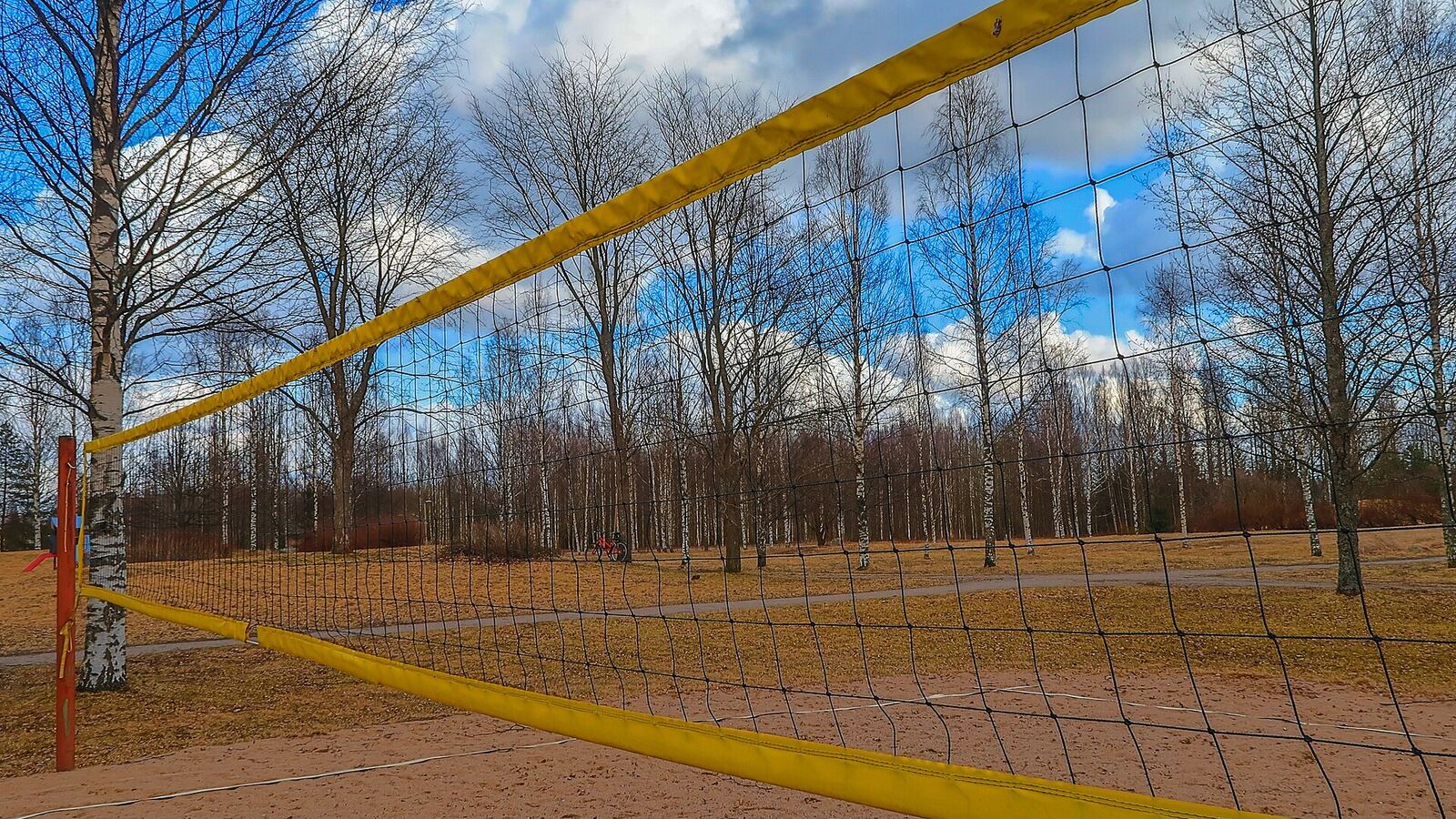
- Portable volleyball nets: a freestanding net and poles you can set at regulation or lower height in a garden, park or driveway.
- Rebounder nets: angled, tensioned frames that return the ball, useful for passing and setting.
- Serving target nets or catch nets: a net or panel that stops served balls so you don't have to chase them across a field.
- Setting targets: hoops or rings on a stand that you set the ball through or into.
You don't need all of them. A portable net plus a few balls already opens up plenty of drills; a rebounder adds a lot of value for passing.
Net heights to know
The official indoor net height is 2.43 m (about 7 ft 11⅝ in) for men and 2.24 m (about 7 ft 4⅛ in) for women. Youth heights vary by age group and organisation, so check with your club or league. For solo practice, it's perfectly fine to use a lower net while you learn, then raise it.
When comparing portable nets on AliExpress, check whether the poles adjust to the height you need, the stated net width, pole and base materials, how it anchors, seller ratings, recent reviews and the return policy.
Setting up a solo practice space
- Flat, safe ground such as grass or sand is gentler for diving and landing. Avoid uneven ground that could twist an ankle.
- Overhead clearance: no branches, wires or roof edges above the net or your serving area.
- Anchor the poles: use the guy lines and stakes provided, or weights on hard ground. A falling pole can hurt someone.
- Clear surroundings: keep the space behind the net free of windows, cars and roads, and keep spectators to the side.
- Plenty of balls: a bag or basket of several balls means more touches and less walking.
Solo serving drills
1. Target zones
Place cones, towels or hoops in different areas of the opposite court. Serve to a called zone and count hits out of ten. Start with large targets, then make them smaller.
2. Consistency ladder
Serve until you miss. Record your streak. Each session, try to beat it. Consistency comes before power.
3. Toss check
Without hitting, toss the ball and let it fall. It should land in roughly the same place in front of your hitting shoulder each time. A consistent toss is the base of a consistent serve.
4. Deep and short
Alternate serves aimed deep near the back line and short just over the net. This builds control over pace and height.
5. Serve into a catch net
If space is tight, serve into a catch net from a sensible distance. You won't see where the ball would land, but you can work on contact, arm swing and toss without chasing balls.
Solo setting drills
6. Self-set to height
Set the ball straight up to yourself, aiming for the same height each time. Then alternate a high set with a low set. Focus on a quiet, even release from both hands.
7. Setting target hoop
Place a hoop or basket on a stand at a target spot along the net and set through or into it from your setting position. Move the target to practise different sets.
8. Wall or rebounder sets
Set the ball against a rebounder angled upward and set the return again. Try to keep the rally going while staying balanced and squaring up to the target.
Solo passing drills
9. Rebounder passing
Angle a rebounder so it returns the ball at passing height. Pass with a steady platform, aiming back at the same spot on the net. Count consecutive good passes.
10. Toss and pass to target
Toss the ball high to yourself, let it drop and pass to a target such as a cone or a marked area near the net. It isn't the same as receiving a real serve, but it builds platform angle and footwork.
11. Move-and-pass
Toss the ball off to one side, move to it and pass back toward your target. This adds the footwork that real passing demands.
Structuring a solo session
A simple 40-minute plan:
- Warm-up (5–8 min): light movement, arm circles, easy self-passes.
- Passing (10 min): rebounder or toss-and-pass drills.
- Setting (10 min): self-sets and target hoop.
- Serving (10–15 min): target zones, then a consistency ladder to finish.
Write down a couple of numbers each time, such as serve hits out of ten or best passing streak, so you can see progress. If you also play tennis or other net sports, our guide to tennis rebounder net practice has more ideas for solo rebound work.
Safety and care
- Warm up before serving and jumping.
- Check the net, poles, guy lines and stakes before each session.
- Keep the area clear of trip hazards like loose balls you aren't using.
- Take the net down or cover it in strong wind and long spells of bad weather.
More guides are in our racket and net sports category, and general safety advice is on our safety page.
Frequently asked questions
Can I practise volleyball alone without a net?
Yes. Self-setting, passing against a wall or rebounder, and toss work need no net at all. A net becomes more important for serving practice, so you can judge height and depth.
What height should I set my practice net?
The official heights are 2.43 m for men and 2.24 m for women. Youth heights vary by age and league, so check with your club. Lowering the net while you learn is fine.
Is a rebounder useful for volleyball?
A rebounder can be very helpful for passing and setting, because it returns the ball and lets you get many touches in a short time. Make sure you can set an angle that gives a usable return.
How many balls do I need for solo volleyball practice?
More is easier, since you spend less time collecting. Even a few balls help, especially for serving drills.
How do I make solo serving practice more realistic?
Use target zones on the opposite side and serve from your match position, with your normal routine before each serve. Count hits so each serve matters.
Ready to set up your practice space?
Browse tennis rebounder nets and compare sizes on AliExpress.
Some links on this page are affiliate links to AliExpress. If you buy through them we may earn a small commission at no extra cost to you. We don’t test or endorse individual listings, so always check the seller, sizes and return policy. Learn more.