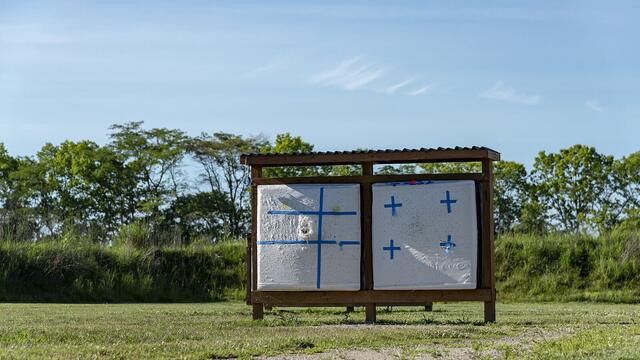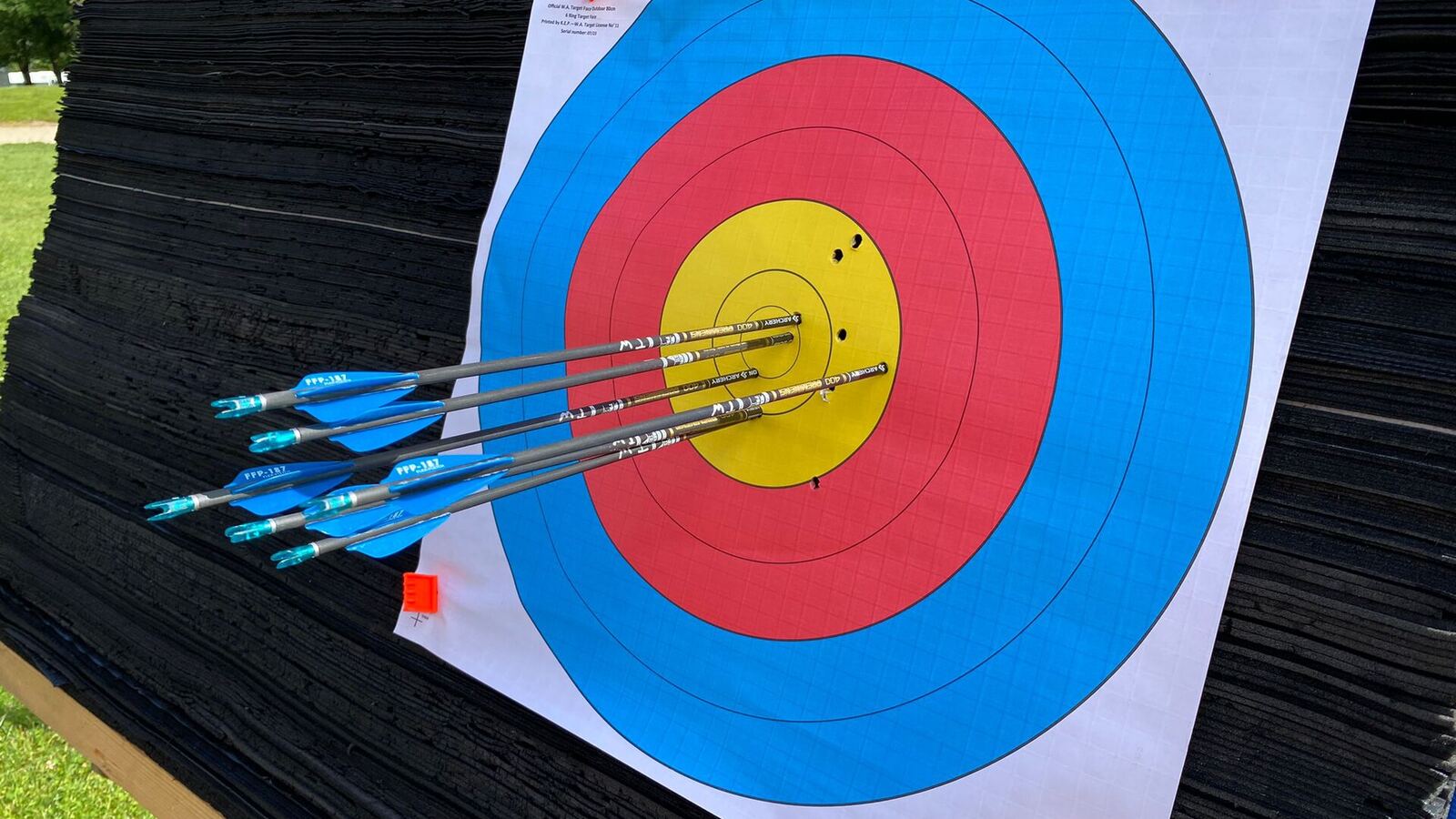
Walk into any archery shop or browse online and you'll find targets that look nothing alike: stuffed bags, thick foam cubes, round straw bosses and life-size foam animals. With archery target types explained side by side, it gets much easier to choose the right one for your bow, your arrows and the way you like to practise. The wrong target can wear out fast, damage arrows or let arrows pass through, so it's worth getting this right.
A quick safety note first: no target is a complete safety system. You still need a safe range with a clear zone behind and to the sides, and you must follow local laws and club guidance on where archery is allowed.
The four main archery target types
| Target type | How it stops arrows | Typical use | Watch out for |
|---|---|---|---|
| Bag target | Friction from tightly packed fill | Field points, backyard practice | Fill can compress and soften over time |
| Foam block | Layers or solid foam grip the shaft | Field points, some take broadheads | Foam can tear in heavily used spots |
| Straw boss | Compressed straw, usually with a paper face | Club and target archery | Weather can damage straw if left out |
| 3D target | Foam shaped like an animal | Hunting and field practice | Replaceable inserts wear fastest |
Each type has variations, and what a specific target can handle depends on how it's made. Always check the manufacturer's or seller's guidance on arrow type and draw weight.
Bag targets
Bag targets are fabric shells packed with fill. The arrow is stopped by friction as it pushes into the dense material, which usually makes arrows easy to pull out.
Good for: practising with field points at home, regular form work and anyone who wants easy arrow removal.
Things to know:
- Most bag targets are designed for field points, not broadheads. Check the label.
- Fill can settle or soften with heavy use, so arrows may penetrate deeper over time. Rotating the bag and changing your aiming point spreads the wear.
- Leaving a bag out in rain and sun can shorten its life. Store it under cover.
Foam block targets
Foam blocks are solid or layered foam, often printed with aiming spots on several faces. Layered designs let you shoot into the edges of the layers, which can make removal easier.
Good for: versatile practice, archers who want several faces in one target, and some setups where broadheads are allowed (only if the target says it is suitable).
Things to know:
- Foam density varies a lot between products, which affects how well it suits faster or heavier setups. Read the listed draw weight or speed guidance if it is given.
- Repeatedly hitting the same small spot can tear foam. Shoot at different faces and spots.
- Some foam blocks are rated for broadheads on certain faces only.
Straw boss targets
The straw boss is the traditional round target you see at many clubs, often on a stand with a paper target face pinned to it. It's built from tightly compressed straw.
Good for: target archery, recurve and longbow practice, and anyone who wants to practise with standard paper faces.
Things to know:
- Straw bosses are typically used with target or field points.
- They don't love wet weather. Cover or store them indoors when not in use.
- Many clubs use them with a backstop net behind; see our archery backstop net safety guide for how that fits together.
- Stands should be stable and angled according to the stand design so the boss won't tip.
3D targets
3D targets are foam animals, from small game to deer-sized shapes. Many have a replaceable core or insert in the vital zone, since that's where most arrows land.
Good for: bowhunters, field archery, and practising judging distance and shot placement on realistic shapes.
Things to know:
- They take up more space and are usually more expensive to replace than a bag or block.
- Check which arrow types the target and insert are made for.
- The legs and edges can be thin, so misses near them may pass through. A backstop or safe overshoot area matters just as much here.
How to choose the right target for practice
Ask yourself these questions:
- What arrows will I shoot? Field points, target points or broadheads? Pick a target that explicitly supports them.
- What is my bow's draw weight and setup? Some targets list limits. If yours exceeds them, choose a different target.
- Where will I shoot? Indoors, at a club, or in a backyard where it's legal and safe? Weather resistance and size matter outdoors.
- How often will I shoot? Frequent shooters wear out targets faster, so replaceable faces or inserts can help.
- Can I move it? Bag targets are often lighter. Large foam blocks and 3D targets can be bulky.
If you're new to archery, a club coach can suggest suitable targets for your equipment. Many beginners start with a bag or foam block for home practice and use club bosses for formal target rounds.
When shopping on AliExpress, read listing dimensions, stated arrow and draw-weight suitability, materials, seller ratings and recent reviews, and check the return policy before ordering. Photos alone don't tell you how dense a target is.
Making any target last longer
- Rotate the target and vary your aiming point.
- Pull arrows straight out, close to the target face, with a steady motion. An arrow puller can help.
- Keep it covered or indoors when not shooting.
- Inspect for soft spots or holes, particularly near the centre, and replace when arrows start passing deeper than they should.
Setting the target up safely
Whatever type you choose, place it on a stable stand or base, at a sensible height, with a clear zone behind and to the sides. A backstop net can catch misses, but it is a supplement, not a replacement for a safe range. Our guide to setting up a safer backyard archery range walks through the layout, and the archery category has more.
Frequently asked questions
Which archery target type is best for beginners?
Many beginners find a bag or foam block target easy to use for home practice with field points, because they're portable and arrows are usually simple to remove. Check that the target suits your bow and arrow type, and ask a coach if unsure.
Can I shoot broadheads into a bag target?
Most bag targets are made for field points only. Use broadheads only in targets that are clearly labelled as suitable for them, and follow the manufacturer's instructions.
Why are my arrows going deeper into my target than before?
The target material is probably wearing out or compressing in the spot you hit most. Rotate the target, move your aiming point and replace it once arrows start to penetrate too far, since pass-throughs become more likely.
Do I need a backstop net if I have a good target?
A backstop net can catch arrows that miss the target. It's a useful extra layer, but it doesn't replace a clear, safe range or local rules. Your range should be safe without the net.
Can I leave an archery target outside?
Some targets cope with weather better than others, but sun and rain can shorten the life of most. Cover or store targets when you're not using them.
Ready to set up your practice space?
Browse archery backstop nets and compare sizes on AliExpress.
Some links on this page are affiliate links to AliExpress. If you buy through them we may earn a small commission at no extra cost to you. We don’t test or endorse individual listings, so always check the seller, sizes and return policy. Learn more.