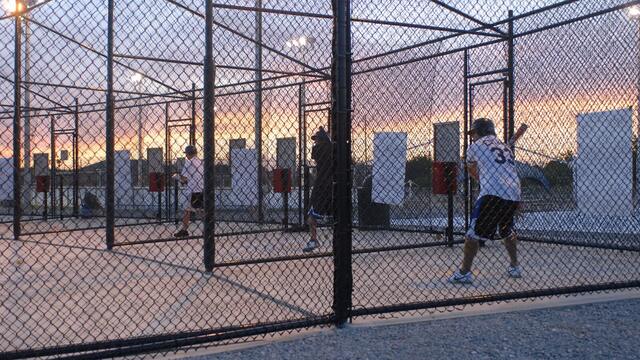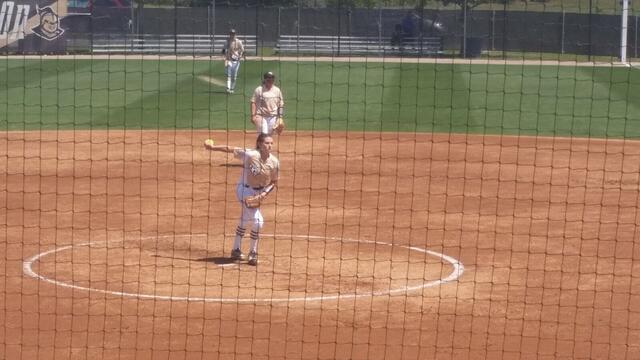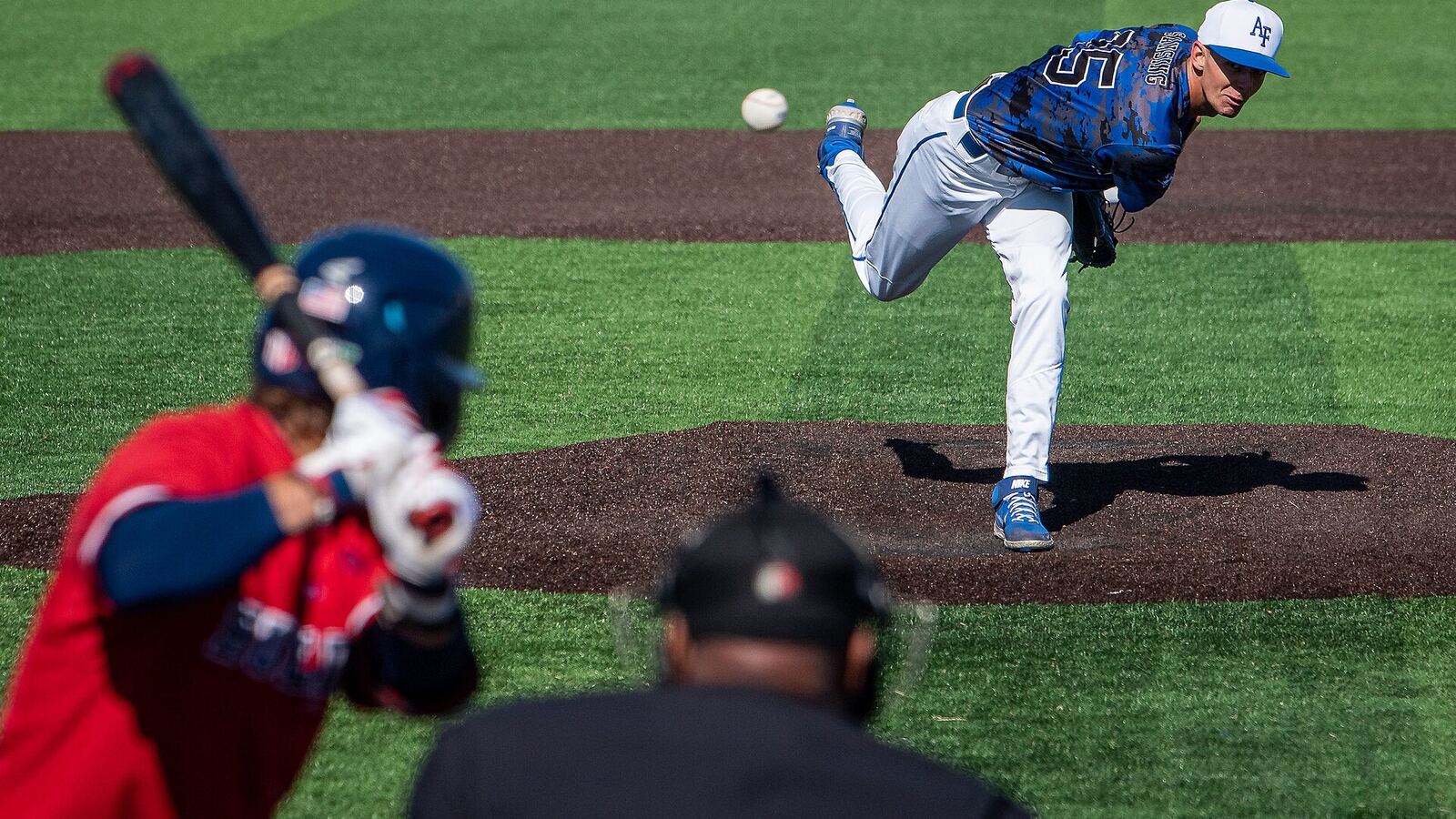
A baseball pitching target net lets a pitcher throw with purpose at home, without needing a catcher for every session. Most use a strike zone frame or a net with target pockets, so every throw has a clear aim point and immediate feedback. This guide explains how strike zone nets work, what to look for when choosing one, how to set it up, and drills that focus on command rather than just throwing hard.
How a pitching target net works
Pitching target nets usually come in a few common designs:
- Strike zone frame: A rectangular frame representing the zone, often with a backing net to catch the ball.
- Pocket targets: A net divided into sections, sometimes with pockets or holes, so you can aim at corners or specific locations.
- Rebounding pitching nets: Nets that send the ball back towards the pitcher, which saves walking to collect balls.
- Multi-use nets: A hitting or catch net with a removable strike zone panel.
The aim is the same in each case: give the pitcher a defined target and quick feedback on location.
Understanding the strike zone
In Major League Baseball, home plate is 17 inches wide and the pitching distance from the front of the rubber to the back point of home plate is 60 ft 6 in (18.44 m). The rulebook strike zone runs from the midpoint between the top of the shoulders and the top of the uniform pants down to the hollow beneath the kneecap, judged by the batter's stance as they prepare to swing.
For youth baseball, pitching distances and rules vary by age and organization, so check with your league before marking out a distance. Many strike zone targets are also sized for a "typical" batter, which may not match your hitter's height, so see whether the target can be adjusted in height.
What to check before buying
| Feature | What to look for |
|---|---|
| Overall size | Assembled height and width that fit your space |
| Strike zone size | Stated dimensions; compare with the plate width and your hitter's zone |
| Adjustability | Can the zone be raised or lowered for different players? |
| Frame | Material and how the legs or base keep it stable |
| Backing net | Whether a full net sits behind the zone to stop balls |
| Ball type | Whether the net is described as suitable for baseballs, softballs or soft training balls |
| Portability | Weight, folded size and carry bag |
Always confirm dimensions and materials in the listing, and read seller ratings, reviews and the return policy. If anything is unclear, message the seller before ordering. Our checklist for buying sports nets on AliExpress covers this in more depth.
Setting up your pitching net
- Pick a flat, open area with nothing breakable behind or beside the net.
- Measure your distance. Use the distance your league uses for your age group, or a shorter distance while warming up or working on mechanics.
- Mark a rubber spot with a throw-down mound marker, tape or a board so you throw from the same place each time.
- Set the zone height so it roughly matches the hitter you are pitching to.
- Anchor the base with stakes or weights outdoors. Read our guide on anchoring a practice net in wind.
- Clear the area of people and pets, especially to the sides where missed throws can go.
Command drills with a strike zone net
1. Four corners
Pick one corner of the zone and throw until you hit it, then move to the next corner. Track how many throws it takes to complete all four. Try to lower that number over time.
2. Count battles
Simulate an at-bat. Start at 0-0. Throws in the zone are strikes, outside are balls. Try to get to three strikes before four balls. Play several "batters" per session to mimic real game pressure.
3. Down in the zone
Spend a block throwing only at the lower half of the zone. Many coaches emphasize keeping the ball down, and this drill builds that habit.
4. Glove side, arm side
Alternate between the glove side and the arm side of the plate. This helps a pitcher learn to work both edges.
5. Pitch sequencing
If the pitcher throws more than one pitch type and is old enough to do so under their coach's guidance, practise sequences: for example, a fastball to one location followed by a change of speed to another.
6. Fielding finish
After each throw, finish in a balanced fielding position. A pitcher who falls off the mound is less ready to field a comeback. Keep the distance sensible if the net rebounds.
Pitch counts and rest
Throwing at a net is still throwing. Follow your league's or coach's guidance on pitch counts, rest days and warm-up, which often depend on age. Stop if anything hurts and speak to a qualified professional. A net makes it easy to throw a lot, so it helps to plan the number of throws for a session in advance.
Pitching net vs catcher
A net cannot frame pitches, give signs or tell you how a pitch moved. It is a supplement to throwing with a catcher, not a replacement. It is most useful for extra reps on command, warming up and working on mechanics when a partner is not available.
Safety tips
- Check the net is described as suitable for the ball you are using.
- Inspect netting and frame joints before each session.
- Keep spectators behind the pitcher and well to the side.
- Be careful with rebounding nets: the ball can come back fast.
See our safety page for general advice. For softball-specific ideas, read our softball pitching target drills, or browse the baseball and softball category.
Frequently asked questions
What distance should I set my pitching target net at?
Use the pitching distance for your age group and league. In MLB it is 60 ft 6 in, but youth distances vary, so check with your league. Shorter distances can be useful for warm-ups and mechanics work.
Can I use a pitching target net with real baseballs?
Many are designed for real baseballs, but not all. Check the listing for the intended ball type and read reviews. Some nets are only meant for softer training balls.
Is a strike zone net good for young pitchers?
It can be a helpful way to practise command, as long as the zone is adjusted to a sensible height and the player follows age-appropriate pitch count and rest guidance from their coach or league.
Do pitching nets work indoors?
Some do, if you have enough length for your throwing distance and nothing fragile nearby. Indoors, think carefully about rebounds and missed throws.
Ready to set up your practice space?
Browse baseball pitching nets and compare sizes on AliExpress.
Some links on this page are affiliate links to AliExpress. If you buy through them we may earn a small commission at no extra cost to you. We don’t test or endorse individual listings, so always check the seller, sizes and return policy. Learn more.