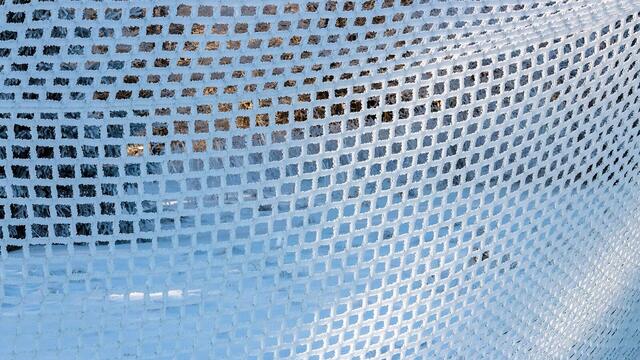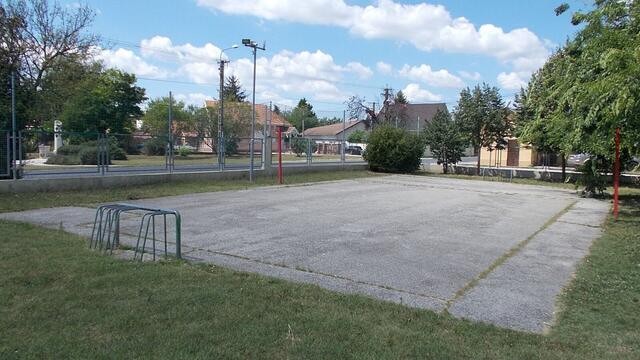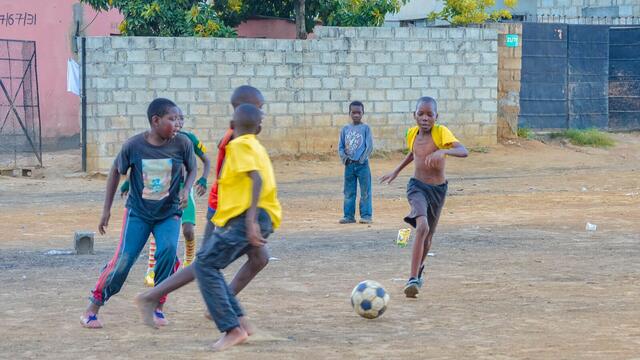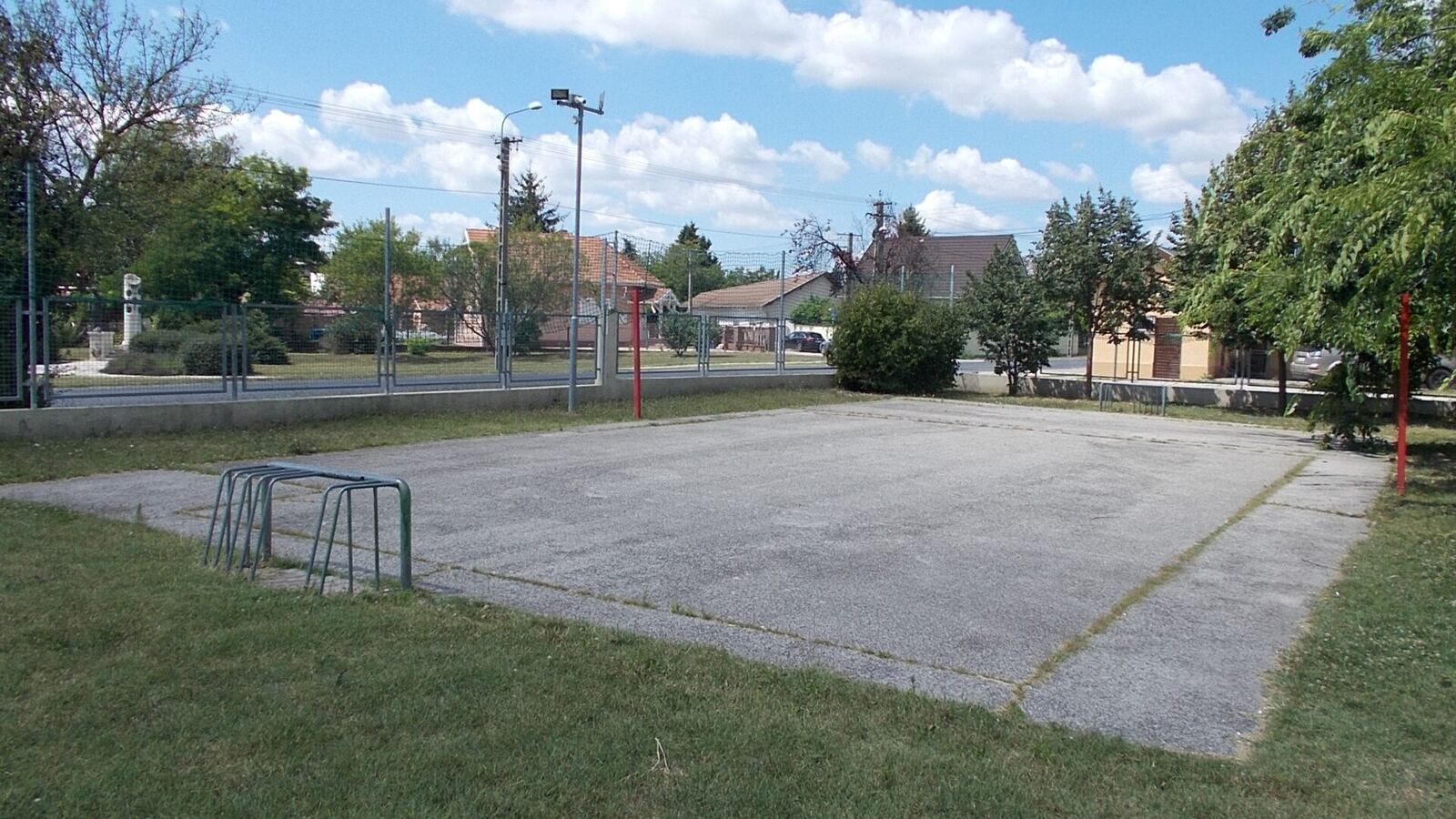
If balls keep flying over the fence, into the flowerbeds or towards the neighbour's windows, garden ball stop netting can make practice a lot less stressful. Barrier netting is a tall net hung from posts, cables or a frame to catch balls that miss the goal, net or target. It is used around home gardens, school yards and small club pitches.
This guide covers how to choose barrier netting, how high to go, which mesh to use, how to install it and what to think about before you start.
What ball stop netting does
Barrier netting is not a training net in itself. It is a backup that sits behind or around your practice area to:
- Catch missed shots behind a goal or hitting net.
- Keep balls out of neighbours' gardens, roads and paths.
- Protect windows, greenhouses, cars and plants.
- Reduce time spent retrieving balls.
It works alongside your main goal or practice net, not instead of it. For hard balls such as golf, baseball or cricket balls, barrier netting can add a layer of protection, but no net can be guaranteed to stop every ball.
Planning: height, length and position
How high?
The right height depends on the sport, how far shots travel and how close the barrier is to the action. Lofted shots in football, rugby and golf can clear low fences easily. General points:
- The closer the barrier is to where balls are struck, the more of the ball's path it can intercept.
- Taller barriers catch more, but they also catch more wind and need stronger posts.
- Low barriers can stop ground shots and rebounds but not lofted balls.
Think about where your balls usually go. Watching a few practice sessions and noting where misses land is a practical way to decide.
How long?
Cover the area behind the target and some distance to each side, since misses go wide as well as high. For small pitches, barrier netting is often run behind each goal and sometimes along one or more sides.
Where to place it
- Leave a gap between the barrier and fences or walls so the net can flex.
- Keep it clear of trees and overhead cables.
- Make sure it doesn't block paths, gates or emergency access.
Choosing the netting
- Mesh size: must be smaller than the smallest ball you'll use. Our mesh size guide explains how to check this.
- Material: polyethylene is common for barrier netting because it absorbs little water and is often UV-stabilised. See the sports net materials guide.
- Twine thickness: heavier twine for hard balls and frequent use.
- Edges: look for reinforced edges or a border rope, which makes hanging the net easier and reduces fraying.
Choosing posts and supports
There are several ways to hold barrier netting up.
| Support type | Good for | Things to consider |
|---|---|---|
| Freestanding frames | Temporary or movable setups | Need weights or pegs; limited height |
| Ground-socket posts | Garden or small pitch installations | Sockets must be set securely; posts removable |
| Fixed posts in concrete | Permanent barriers | Strongest, but a bigger job and harder to change |
| Attaching to existing structures | Netting along walls or fences | Check the structure is strong enough and you have permission |
| Tensioned cables | Long runs between posts | Cables need secure end posts and tensioners |
Taller barriers place more load on posts, especially in wind. If you are planning a tall or permanent installation, consider getting advice from a fencing or netting installer.
Installing barrier netting
A general approach:
- Check local rules. Some areas have rules on fence or structure height, and some properties need permission for permanent structures. Speak to neighbours if the barrier sits near a boundary.
- Check for underground services before digging post holes or driving stakes.
- Set posts or frames securely and make sure they are plumb.
- Run a top cable or rope between posts if your design uses one.
- Hang the netting using clips, rings, cable ties or a lacing rope along the top cable.
- Secure the bottom with pegs, a bottom rope or weights so balls can't roll under.
- Leave some slack so the net absorbs impact rather than bouncing balls back.
For anchoring tips, see how to anchor a practice net in wind.
Wind and weather
Barrier netting can catch a lot of wind because of its size. To reduce the risk of damage:
- Use mesh that is fine enough for your ball but not finer than needed.
- Consider fixings that allow the net to be lowered quickly before storms.
- Check posts, cables and fixings after strong winds.
- Take temporary barriers down in bad weather.
To keep the netting in good condition, see how to store and care for sports nets.
Safety and good-neighbour tips
- Never let anyone climb on barrier netting or its posts.
- Mark guy ropes and low cables so people don't trip on them.
- Supervise children around tall posts and frames.
- Remember that barrier netting reduces stray balls but doesn't make high-risk sports safe in a small space. For archery, a backstop is only part of a safe range; see our archery backstop net safety guide.
Our safety page has more general advice.
Frequently asked questions
How tall should ball stop netting be in a garden?
It depends on the sport, how far shots travel and how close the barrier is to the practice area. Watch where your misses land and choose a height that covers that path, keeping in mind that taller nets need stronger posts and more anchoring.
What mesh size do I need for barrier netting?
The mesh must be smaller than the smallest ball you'll use, with some margin. For golf balls, you'll need much finer mesh than for footballs.
Do I need permission to put up barrier netting?
It depends on where you live and how tall and permanent the structure is. Check local rules and talk to neighbours if it's near a shared boundary.
Can I attach barrier netting to my fence?
You can, as long as the fence is strong enough to take the extra load, especially in wind. Leaving a gap between net and fence helps the net absorb impact.
Will barrier netting stop golf balls?
Barrier netting with suitable mesh and twine can catch many golf balls, but no net can be guaranteed to stop every shot. Use netting designed for golf and practise with a dedicated golf net in front.
Ready to set up your practice space?
Browse ball stop nettings and compare sizes on AliExpress.
Some links on this page are affiliate links to AliExpress. If you buy through them we may earn a small commission at no extra cost to you. We don’t test or endorse individual listings, so always check the seller, sizes and return policy. Learn more.