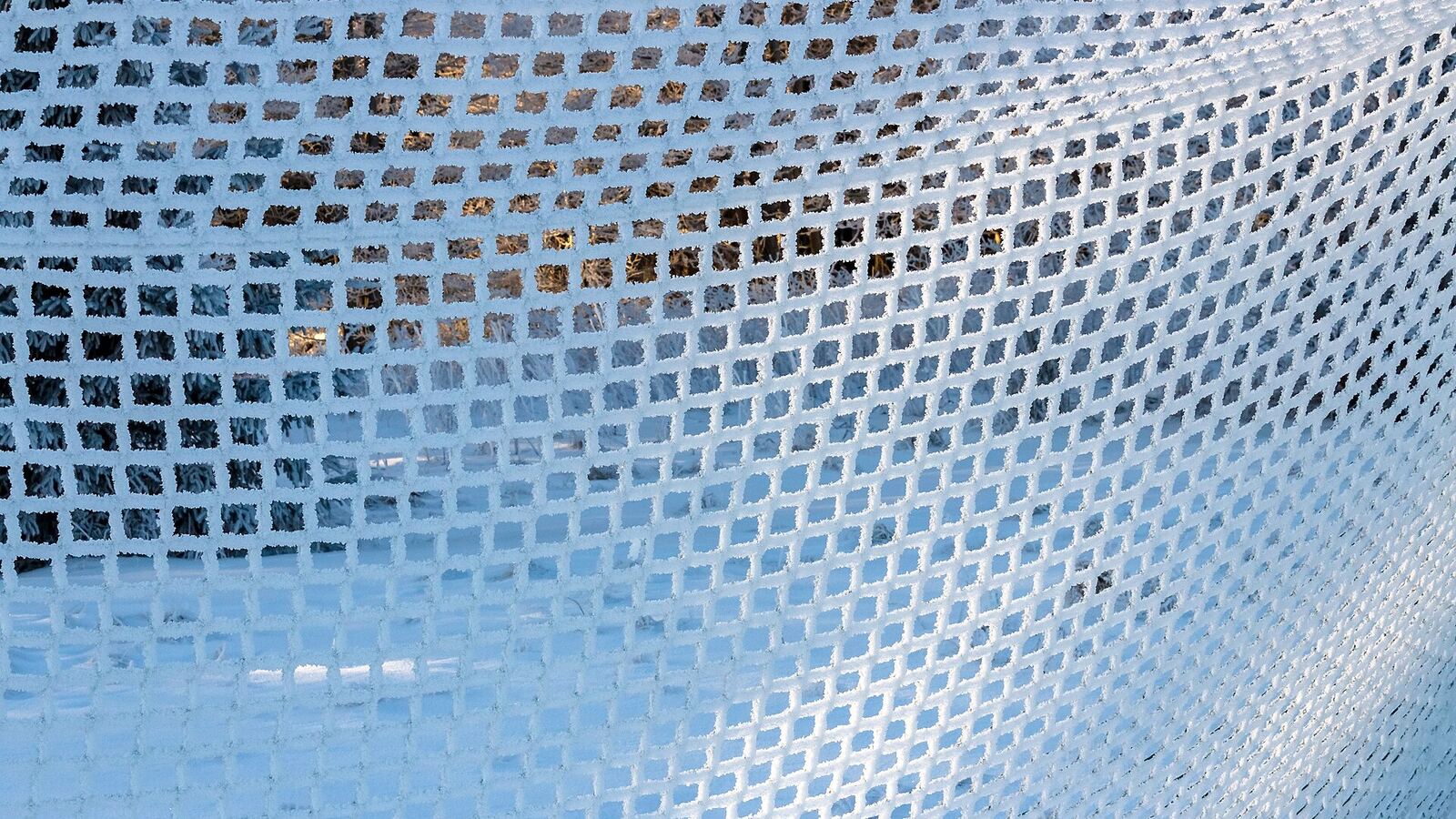
Sports nets live a hard life. They take thousands of impacts, stay out in the rain and sit in the sun for months. With a bit of routine care you can often get far more use from a net before it needs replacing. This guide explains how to care for sports nets, store them properly and slow down UV damage, which is one of the most common reasons outdoor nets wear out.
Why nets wear out
The main causes of wear are:
- UV exposure. Sunlight gradually breaks down synthetic fibres. Netting can become faded, stiff and brittle, and then snap under impact.
- Repeated impact in one spot. The centre of a hitting net or the corners of a goal take most of the hits.
- Abrasion. Netting rubbing against frames, fences or the ground wears through over time.
- Moisture and dirt. Damp, dirty nets stored in bags can develop mildew and odour, and grit can wear fibres.
- Wind. Constant flexing in the wind loosens joints and stresses netting.
Slowing UV damage
You can't stop the sun, but you can reduce how much of it a net receives.
- Choose UV-treated netting for outdoor use. The material matters; see our sports net materials guide for how nylon, polyethylene and polyester compare.
- Take nets down when not in use. Nets that only go up for practice sessions can last much longer than nets left up all summer.
- Use shade where possible. Positioning a net where it gets afternoon shade, or under a cover, can reduce exposure.
- Remove target sheets and accessories. These can trap heat and also wear faster than the main net.
- Inspect regularly. Faded, stiff or powdery netting is a sign the fibres are weakening.
Cleaning a sports net
Nets don't need frequent cleaning, but removing dirt can help them last.
- Brush off loose dirt and leaves once the net is dry.
- Rinse with water using a hose on a gentle setting. Avoid high-pressure washers, which can damage fibres and loosen knots.
- Use mild soap if needed. A small amount of mild soap and water, followed by a thorough rinse, is usually enough. Avoid bleach and strong solvents unless the manufacturer says they are safe.
- Dry completely before folding or storing. Hang the net or lay it out in the shade so it dries without extra sun exposure.
Checking and repairing damage
Small holes grow quickly under impact. A quick check before each session helps.
What to look for
- Broken strands or holes in the netting.
- Worn areas where the net touches the frame.
- Frayed edges and loose ties or bungees.
- Cracked, bent or rusted frame parts.
- Loose joints and missing pegs.
Repairing small holes
For small holes, many people repair netting with:
- Netting twine of a similar material and thickness, tied across the hole and knotted securely to the surrounding mesh.
- Cable ties for a quick temporary fix, though they can create a hard spot that balls hit.
- Repair patches cut from spare netting and tied over the hole.
For high-impact nets used with golf balls, baseballs or other hard balls, be cautious with repairs in the main impact zone. If a net is badly worn or the fibres are brittle, replacing it is safer than patching. A backup net layer behind the main net also gives extra protection if a repair fails.
Storing nets for winter or long breaks
A good storage routine helps protect your net during the off-season.
- Clean and dry the net thoroughly.
- Detach netting from the frame if possible, so neither is stressed while stored.
- Fold loosely rather than tightly to avoid sharp creases.
- Store in a breathable bag in a dry place away from direct sunlight, heat sources and rodents.
- Keep frame parts together, with pegs, ties and instructions, so reassembly is easy.
- Check metal parts for rust and dry them before storage.
Pop-up nets should be folded according to the manufacturer's instructions; forcing the frame can damage the spring steel.
Frame and hardware care
- Wipe frames clean and dry after wet sessions.
- Check joints and pins regularly; replace bent or cracked parts.
- Store pegs and anchors so they don't rust together.
- Check guy ropes and bungees for fraying and replace them when worn.
For tips on securing frames outdoors, see how to anchor a practice net in wind.
A simple care routine
| When | What to do |
|---|---|
| Before each session | Quick look for holes, loose ties and frame damage |
| After each session | Remove target sheets, check anchors, fold pop-up nets if windy |
| Monthly in season | Brush off dirt, inspect impact zones, tighten ties |
| End of season | Clean, dry, detach, store in a cool, dry place |
| After storms | Check frame, anchors and netting before use |
When to replace a net
Replace a net when:
- The netting is brittle, powdery or snaps easily when tugged.
- There are multiple holes in the main impact area.
- The frame is bent or cracked in a way that affects stability.
- Balls are getting through or past the net.
When buying a replacement, our AliExpress buying checklist can help you compare listings, and our mesh size guide can help you match the netting to your ball. You can also browse options on our shop page.
Frequently asked questions
How long do outdoor sports nets last?
It varies a lot depending on material, UV treatment, climate, how often the net is used and how well it is cared for. Taking a net down when it is not in use and storing it out of the sun can help it last longer.
Can I wash a sports net in a washing machine?
It is generally better not to. A washing machine can tangle and stress the netting. Rinsing with a hose and using mild soap where needed is a gentler option.
What is the best way to fix a hole in a golf net?
Small holes can be tied closed with matching netting twine. For a golf net, holes in the main impact zone are a concern, so many people replace the netting or add a backup layer rather than relying on a patch.
Should I leave my practice net out over winter?
It is usually best to store it. Winter weather, wind and moisture all add wear, and a stored net is ready to use again in spring.
How do I know if UV has damaged my net?
Look for fading, stiffness, a powdery feel or strands that snap easily when you pull them. If the netting shows these signs, it may not be safe for hard balls.
Ready to set up your practice space?
Browse ball stop nettings and compare sizes on AliExpress.
Some links on this page are affiliate links to AliExpress. If you buy through them we may earn a small commission at no extra cost to you. We don’t test or endorse individual listings, so always check the seller, sizes and return policy. Learn more.